ExhibitionNovember 6, 2018
A Tale of Two Worlds: Experimental Latin American Art in Dialogue with the MMK Collection, 1944–1989
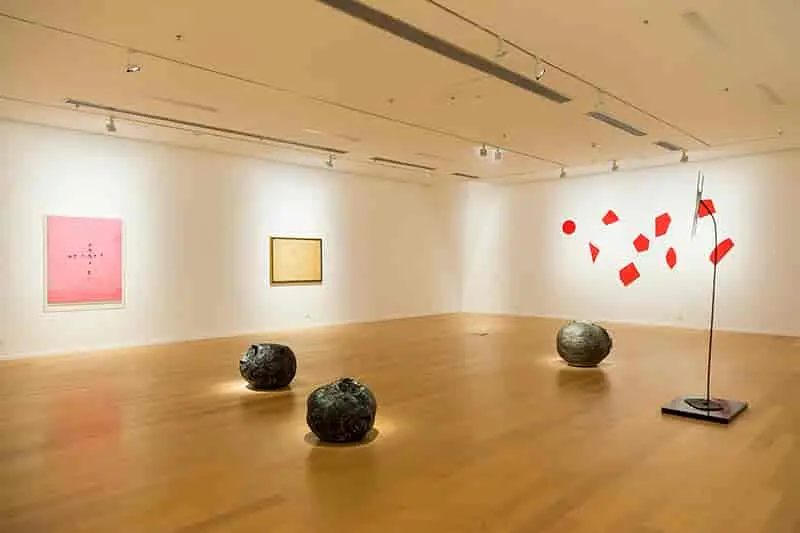
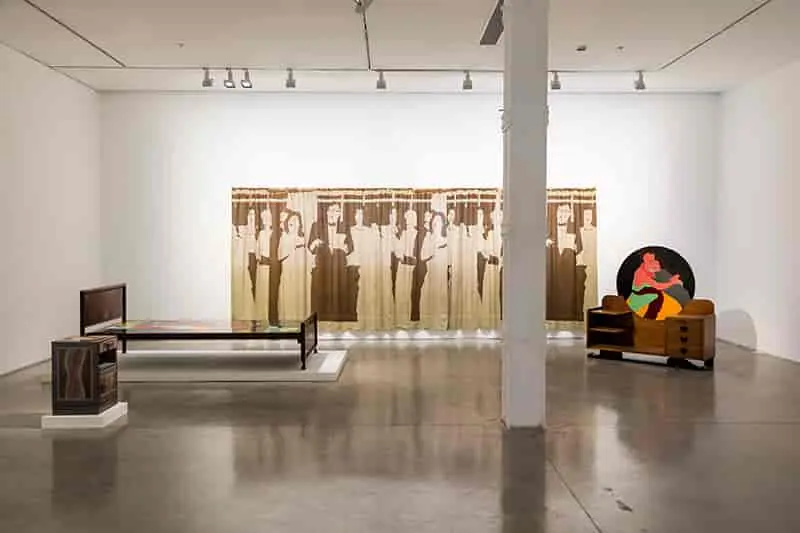
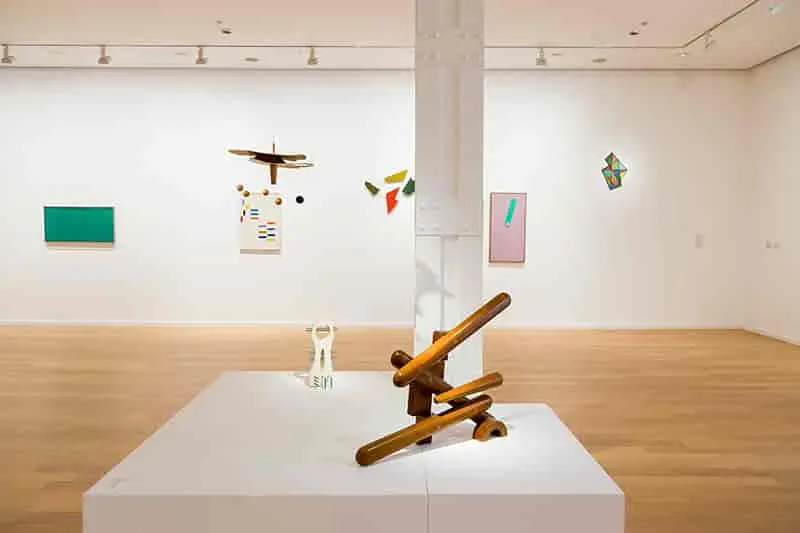
With sixteen sections that are part of three main narrative threads, this honest conversation between two art collections succeeds on several fronts. The dialogue begins with the Museum Global program, promoted by the Kulturstiftung des Bundes, which consists of bringing closer museums of similar characteristics: municipal institutions with comparable collections that are very active in their respective cities and boast a remarkable number of virtues. Curated by Klaus Görner, Victoria Noorthoorn and Javier Villa, the exhibition was previously shown at the MMK. The title of the exhibition already suggests the unprecedented negotiation that will unfold: A European museum is exposed to the interpretations of two Latin American curators. Approaching the exhibition "from the south," points out the director of MAMBA, Victoria Noorthoorn, erases categorizations like main and secondary artistic movements and notions like "contributions," establishing "a proud equality among brothers—at times fraternal, other times combative—and proposing art that is global and diverse, defiant and democratic." Consisting of five hundred works from the collections of the two museums, and private and public collections from several countries, the show includes proposals by one hundred artists and art groups from Latin America, the US and Europe. While the collection of the museum in Frankfurt spans from 1955 to 1986 and include works by key European and US artists, the Latin American selection spans from 1944, a period that marked the beginning of the new concrete art movements, to 1989, when many of the dictatorships of the region ended. An essential inclusion is the work by Italian-Argentinean artist Lucio Fontana, whose work represents the first central element that articulates the exhibition. Why Fontana? Because he symbolizes the imported and exported ideas that changed the paradigm through two manifestos: the first titled Manifesto blanco (White Manifesto), presented in Buenos Aires in 1946, and the second titled Primo manifesto dello Spazialismo (First Manifesto of Spatialism), presented in Italy the following year. While the second text is given greater importance in Europe, Lucca Massimo-Barbero himself, an expert on Fontana's work, revises his posture on the matter and redefines the value of the first manifesto—in the context of the dynamic period in Buenos Aires in which it was written—as the basis for the second. Titled "Distant Worlds: Latin American Utopias in Post-War Europe," the first section of the exhibition underscores the relationship between "a mountain of rubble" in the north and a solid conviction to renew art through the Madí art movement in Buenos Aires, which rejected the use conventional rectangular frames, opening images to a flat wall support and articulating the parts of sculptures. The second central aspect of the exhibition focuses on tireless explorations that transformed ideas into living art. It showcases vanguardist proposals like those by Piero Manzoni, and compares them with Alberto Greco's Vivo-Dito art. This section also includes a large number of artists who are not well known in Latin America like On Kawara, whose series titled "Thanatophanies" from 1955-1956 underscores performance, irony, and works inspired by cities. The third central aspect of the show focuses on the figure of the artist and his/her place in the world. It features works by artists seldom seen in Buenos Aires, including proposals from 1972-1973 by Colombian artist Beatríz González, like her suggestive Decoración de interiores (Interior Decoration) and Bolívar agonizante (Dying Bolívar), depicted on a lacquered bed. The latter example is contrasted with Claes Oldenburg's Bedroom Ensemble, a piece tha...
Gallery