ExhibitionOctober 1, 2018
Constantin Brancusi Sculpture at MoMA
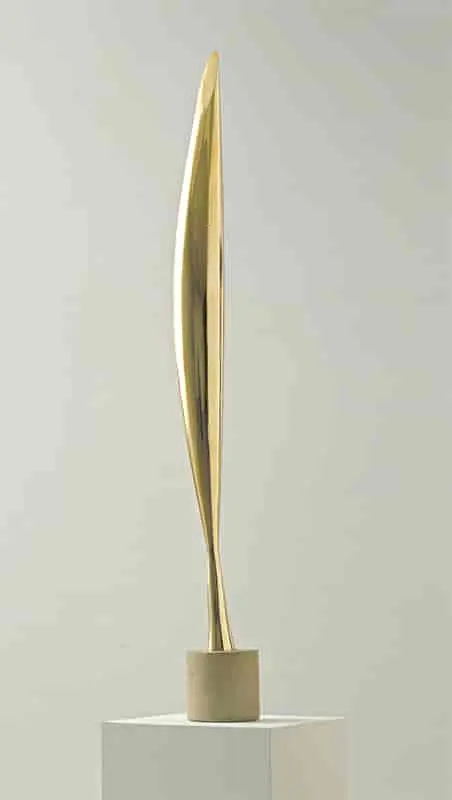
The exhibition on view until February 2019 celebrates MoMA'sextraordinary holdings—11 sculptures by Brancusi shown together for the first time, alongside drawings, photographs, and films. A selection of never-before-seen archival materials shed light on the artist's working process and relationships with friends, sitters, and patrons, including this Museum. What emerges is a rich portrait of an artist whose risk-taking and inventive approach to form changed the course of the art that followed. Born in rural Romania, Brancusi moved to Paris in 1904, where he established his studio and quickly immersed himself in avant-garde art circles. In his adopted city, he embraced an experimental modern spirit, including an interest in modern machines and popular culture. With his friend Man Ray, he made films that captured his life in the studio—working with his materials and muses, activating his artworks through movement and recombination, and revealing his sources of inspiration such as animals at play, light in nature, and dance. Yet until his death he proudly presented himself as an outsider—cultivating his image as a peasant, with a long beard, work shirt, and sandals. In addition to sculpture, Brancusi made drawings, photographs, and films. While he did not produce many drawings, those he did were executed casually, with whatever materials were on hand. Brancusi chose subject matter that echoed that of his sculptures, such as his study related to the no-longer-extant sculpture The First Step. In addition to drawings of women, he also depicted his sculptures and other objects assembled in his studio. Brancusi's relationship to photography, however, was much more deliberate. Similar to his approach to drawing, he took many photographs of his sculptures, often capturing how they were installed in his studio. Although some of his photographs are straightforward representations of his work, many obscure rather than reveal their subjects, as in Self Portrait in Studio. Brancusi made films that captured him working with his materials, activating his artworks through movement, and revealing his sources of inspiration, such as animals, light in nature, and dance. Although few of Brancusi's films survive, many of those that do demonstrate his interest in the movement of objects through space and affirm his desire for his work to be experienced in the round. Constantin Brancusi Sculpture was organized by Paulina Pobocha, Associate Curator, with Mia Matthias, Curatorial Fellow, Department of Painting and Sculpture.