ExhibitionMay 3, 2024· By Ernesto Muñoz
Elisa Bindoff “100 Años del Surrealismo” (100 Years of Surrealism). Palacio Vergara
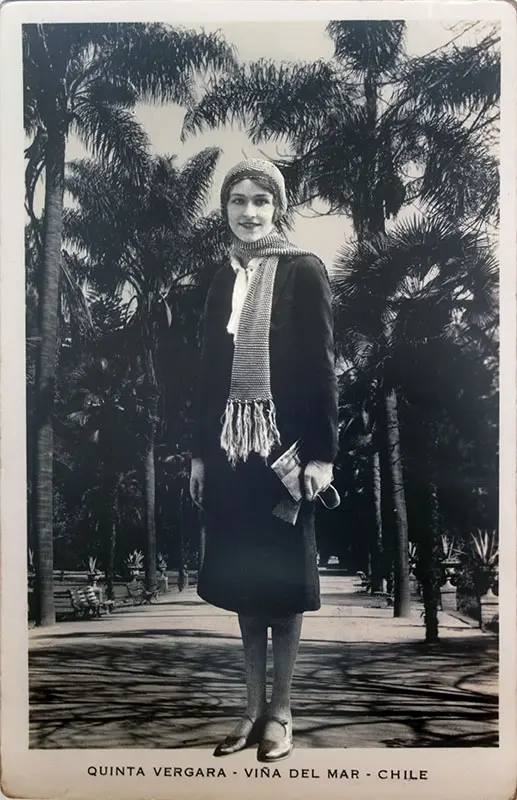
This 2024 centenary of the First Surrealist Manifesto written by André Breton in France, the figure of Elisa Bindoff (André Breton's third wife) acquires enormous relevance as she was declared last February 8 by the Centre Pompidou—through a study published on its website—as the "other architect" of the Wall of the rue Fontaine workshop along with the famous French poet. Her role as co-author of one of the most emblematic works of Surrealism, that wall turned into a cabinet of the marvelous, thanks to that convulsive combination of objects ranging from tribal masks, boxes with stuffed butterflies, fossils, sculptural pieces from Oceania, Africa and the pre-Columbian world, stones and even works by Francis Picabia, Alberto Gironella and Joan Miró, places her in a crucial reference of experimental and avant-garde art of the twentieth century.
Don't forget that Elisa Bindhoff was the creator of numerous object montages, drawings and considered "a key presence in the Parisian group from 1947 to 1969" by Spanish surrealist and scholar José Miguel Pérez Corrales, author of the voluminous book Caleidoscopio Surrealista. Una visión de surrealismo internacional (La Página Ediciones, Tenerife, with a first edition in 2011 and a second and revised one in 2015), where the Chilean occupies a major place.
In addition to this news is the recent opening of the exhibition "Elisa, 100 años del surrealismo" (Elisa, 100 years of Surrealism) at the Palacio Vergara in Viña del Mar, curated by Ernesto Muñoz, important historian of Chile. The show presents the works of twenty artists such as: Karen Lüderitz, Verónica Aspillaga, Francisca Valenzuela, Filipa Eyzaguirre, Marcelo Kohn, Denise Blanchard, Francisca Garriga. Also, contemporary surrealists such as: Magda Benavente, Aldo Alcota, Verónica Cabanillas, Roberto Yáñez, René Ortega, Carlos Delgado and José Duarte.
The exhibition will be open to the public until June 16 and features bibliographical and visual material related to Elisa Bindhoff, the surreal present linked to the magazines Derrame and Honidi, plus the substantial legacy of the avant-garde adventures of the last century in Chile. A photographic portrait of Sara Malvar, cosmopolitan artist, art critic and collaborator of the poet Vicente Huidobro, member of the Montparnasse Group and translator into Spanish —for the first time in Spanish America—of Breton's First Surrealist Manifesto in the “Notas de Arte” section of La Nación newspaper and a copy of Mandrágora magazine, kindly provided by collector Guillermo García. For this occasion, he provided works by the Mandragor poets Jorge Caceres and Braulio Arenas, which were part of the Parisian collection of Breton and Elisa, Haroldo Donoso and Victor Brauner and the famous mirages of Susana Wald and Ludwig Zeller.
Don't forget that Elisa Bindhoff was the creator of numerous object montages, drawings and considered "a key presence in the Parisian group from 1947 to 1969" by Spanish surrealist and scholar José Miguel Pérez Corrales, author of the voluminous book Caleidoscopio Surrealista. Una visión de surrealismo internacional (La Página Ediciones, Tenerife, with a first edition in 2011 and a second and revised one in 2015), where the Chilean occupies a major place.
In addition to this news is the recent opening of the exhibition "Elisa, 100 años del surrealismo" (Elisa, 100 years of Surrealism) at the Palacio Vergara in Viña del Mar, curated by Ernesto Muñoz, important historian of Chile. The show presents the works of twenty artists such as: Karen Lüderitz, Verónica Aspillaga, Francisca Valenzuela, Filipa Eyzaguirre, Marcelo Kohn, Denise Blanchard, Francisca Garriga. Also, contemporary surrealists such as: Magda Benavente, Aldo Alcota, Verónica Cabanillas, Roberto Yáñez, René Ortega, Carlos Delgado and José Duarte.
The exhibition will be open to the public until June 16 and features bibliographical and visual material related to Elisa Bindhoff, the surreal present linked to the magazines Derrame and Honidi, plus the substantial legacy of the avant-garde adventures of the last century in Chile. A photographic portrait of Sara Malvar, cosmopolitan artist, art critic and collaborator of the poet Vicente Huidobro, member of the Montparnasse Group and translator into Spanish —for the first time in Spanish America—of Breton's First Surrealist Manifesto in the “Notas de Arte” section of La Nación newspaper and a copy of Mandrágora magazine, kindly provided by collector Guillermo García. For this occasion, he provided works by the Mandragor poets Jorge Caceres and Braulio Arenas, which were part of the Parisian collection of Breton and Elisa, Haroldo Donoso and Victor Brauner and the famous mirages of Susana Wald and Ludwig Zeller.