ExhibitionSeptember 11, 2018
"Young Master. Botero, Early Work (1948-1963)"
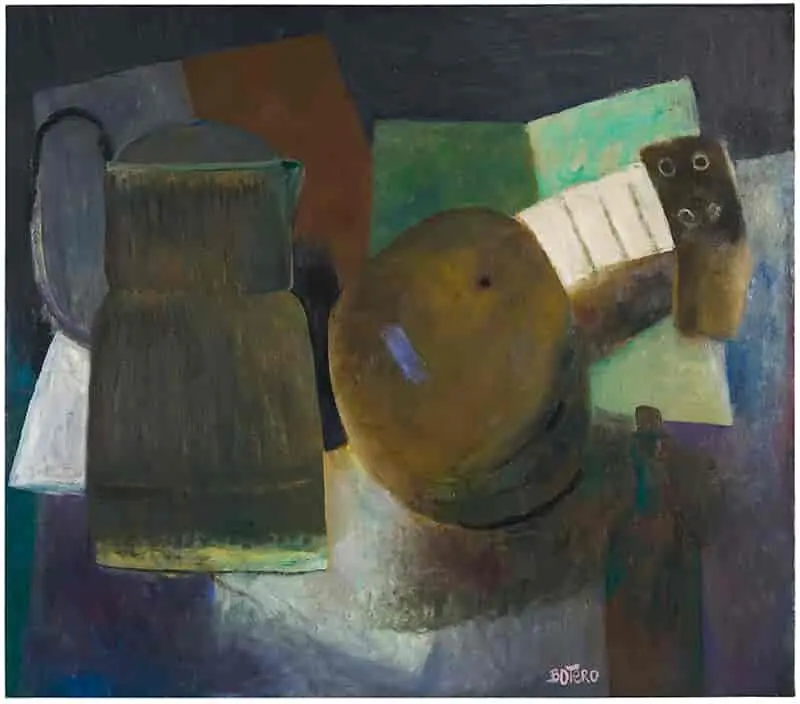
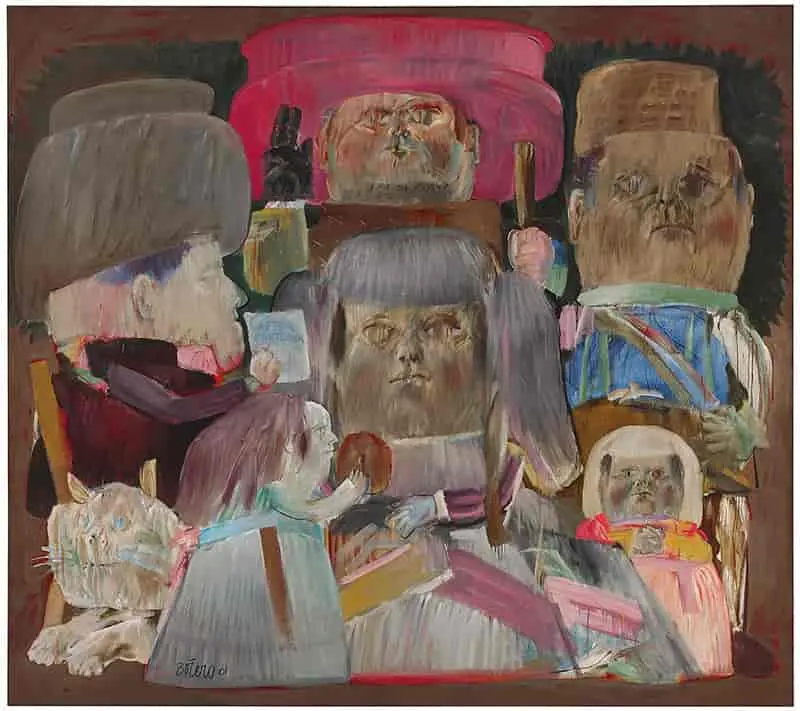
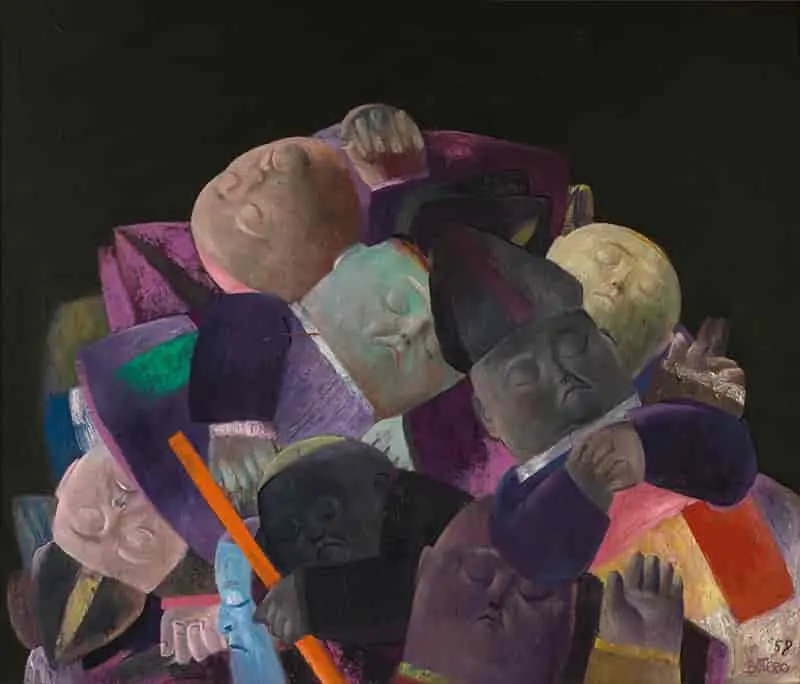
Until October 28 and as part of the program of National Tributes, The Museo Nacional de Colombia presents the exhibition titled "Young Master. Botero, Early Works (1948-1963)," to remember the early period of this Colombian artist's career. The exhibition celebrates the 70th anniversary of the beginning of Fernando Botero's artistic production and showcases his contributions to the history of art. The show addresses the beginning of Botero's style and the way in which it was consolidated to become a recognizable brand. Fifty-four works, including paintings, drawings, and illustrations from public and private collections, reveal the artistic inquiries, interests, and concerns of the first creative years of Botero, while also presenting his various sources of inspiration and the universal art referents that influenced his work (Rivera, Siqueiros, Orozco, Gaugin, and Picasso, among others). Curated by historian Christian Padilla, the exhibition is divided in three chronological sections. The first one is titled "The Giotto is Much Better than Playboy," inspired by a phrase said to a young Botero by his teacher Rafael Sáenz. This section features his first pieces and showcases the influence of Italian Renaissance in his work. The second section, titled "Only Hercules or Samson Could Lift the Mandolin," addresses central aspects concerning the discovery of his own style. And, "Botero did Not Triumph in New York," remembers his experimentation with expressionist figuration, the inclusion of popular culture themes in his work, and the reaffirmation of his explorations to represent volume. With the support of private collectors and the US embassy in Colombia, the exhibition allows visitors to appreciate works that had not been shown to the public until now, including "La camera degli sposi (Homenaje a Mantegna) II [The Married Room (Homage to Mantegna) II, 1961] from the collection of the Hirshhorn Museum in Washington. This work was inspired by Andrea Mantegna's painting for the Palazzo Ducale di Mantova, and is the second version of the work of the same name, highly controversial among art critics and the winner of the 1958 Salon of Colombian Artist. In an interview with ArtNexus, Daniel Castro, director of the Museo Nacional de Colombia, said: "People are going to be surprised in this exhibition because they will find works by Botero that use expressive colors freely as well as other works in which volume does not play a defining role and that are more focused on social issues." To complement this tribute to Botero, the Museo Nacional de Colombia designed an educational and cultural program that includes talks, special visits and workshop, among other activities. More information about the exhibition and program of events is available at: http://www.museonacional.gov.co/micrositios1/2018/Joven_Botero/index.html#sobre
Gallery