ExhibitionFebruary 2, 2015
Diego Velázquez
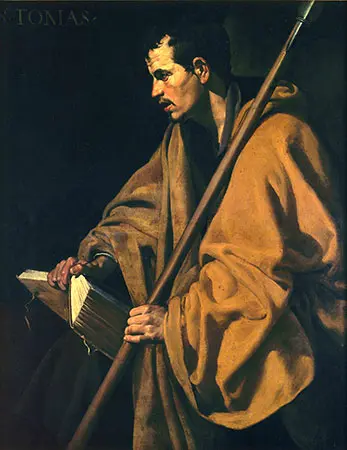
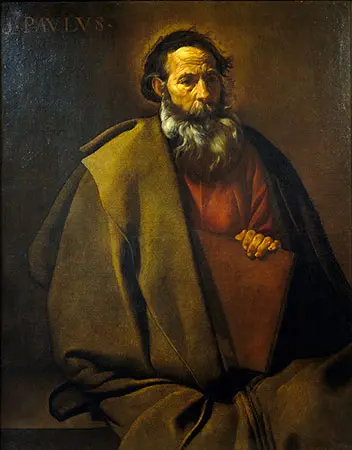
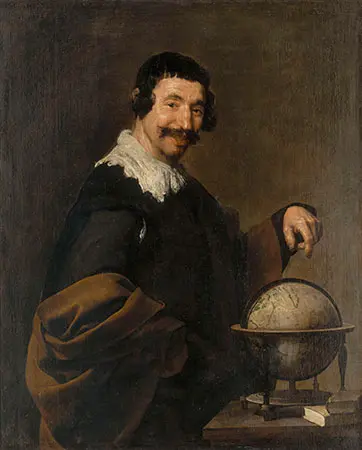
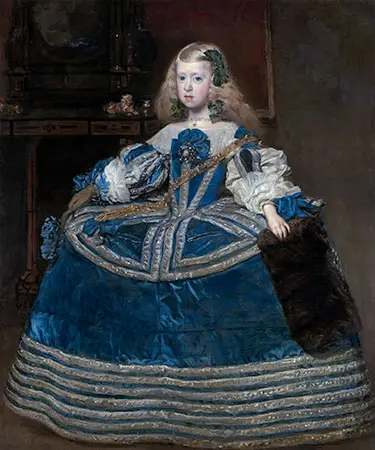
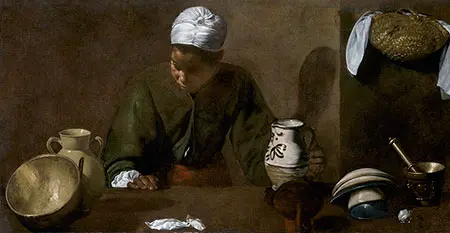
The Grand Palais and the Musée du Louvre present Velázquez, the first retrospective of Sevillian artist Diego Velázquez at the Grand Palais. Curated by Guiallaume Kientz, the exhibition will remain open to the public from March 25 to July 13 of 2015. The show offers a panoramic view of Velázquez's artistic trajectory, from his early creative explorations in Seville to his last works. It also addresses the influence that other artists of his time had in his oeuvre. The curatorial proposal is divided in three sections. The first evokes the artistic world in Andalusia at the beginning of the 17th Century; the second part covers his entrance into the artistic scene of Madrid; and the third segment focuses on the last decade of the painter's life and the influence he had in his followers, known as Los Velazqueños. Although Velázquez is regarded as one of the most prominent artists worldwide, it is the first time that France hosts a monographic exhibition centered on his work. One of the greatest challenges in the organization of the exhibition was to consolidate the necessary number of works considering the limited amount of known pieces attributed to the Spanish artist—a little over 100—and taking into account that most of them are in the Museo del Prado. Nonetheless, with help from the Kunsthistorische Museum (KHM) in Vienna and the Museo del Prado the retrospective showcases pieces like La Fragua del Vulcano (The Forge of Vulcan, 1630, Museo del Prado), La Venus del Espejo (Venus at her Mirror, 1647–1651, London National Gallery), and the Retrato del Papa Inocencio X (Portrait of Pope Innocent X, 1650, Galleria Doria Pamphilj); along with recently discovered works like La Educación de la Virgen (Education of the Virgin, 1617, Yale Art Gallery), and Retrato de Sebastián García de la Huerta (Portrait of Sebastián García de la Huerta, 1628, private collection), among others.
Gallery