ExhibitionFebruary 17, 2012
Débora Arango
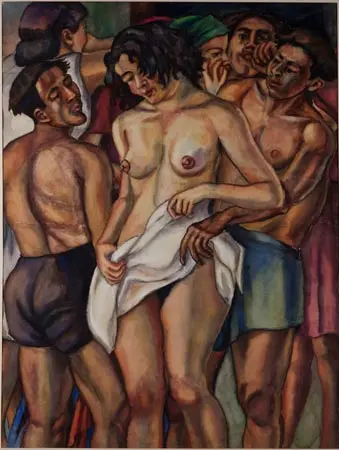
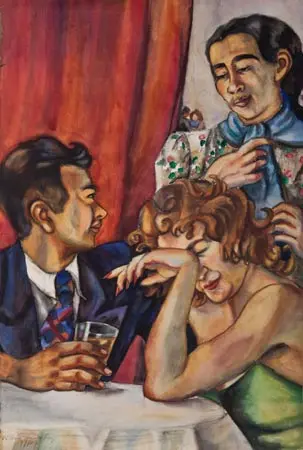
From April 26 to August 12, the Museo Nacional de Colombia, the Ministry of Culture and the Museo de Arte Moderno - Medellin, present the exhibition entitled Socials. Débora Arango Arrives Today. Consisting of 52 medium- and large-sized oil paintings and watercolors, the exhibition showcases part of the work by one of the most important Colombian artists of the Twentieth Century. Initially shown at the Museo Nacional de Colombia as part of the National Tribute program, the exhibition will eventually travel to the Museum of Latin American Art (MOLAA) in California, and then to the Museo del Barrio in New York City. The research includes a significant number of video interviews with people who knew and were part of the productive life of master painter Débora Arango. It is a series of videos that presents fragments of the social and political life in Colombia-during the period of time in which this artist created her work-as well as a selection of audio material, as radio had a central role in the transmission of news and in the construction of the imaginaries of the time. Although today her work belongs to the national cultural heritage, Arango was actually a pioneer of Colombian modern art who worked on the fringes and challenged the conventions of her time. She had to confront the prejudices and rejection of the political elites in Colombia throughout her life, in great extent due to the social criticism contained in several of her paintings against the so-called Violence period and the emergence of the National Front (1946-1963). An important part of the national memory, the following works are included in the exhibition: Melgar, Huelga de Estudiantes (Student Strike), El Tren de la Muerte (The Train of Death), Los Derechos de la Mujer (The Rights of Women), La Lucha del Destino (The Struggle of Destiny), Justicia (Justice), El Almuerzo de los Pobres (The Meal of the Poor), Maternidad (Motherhood), and Violencia (Violence). Socials. Débora Arango Arrives Today is an exhibition that, besides confirming this artist's aesthetic and technical virtues, it also underscores the social and political themes associated with a dark period of Colombia¿s history-its details still not part of a mistreated official memory erected, established, and printed in documents, museums, and text books.
Gallery