Knowing our history to build our future
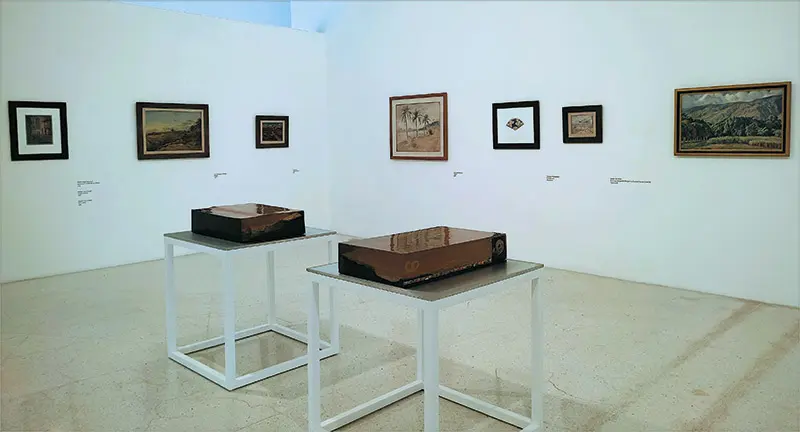
Thinking about the history of Venezuela is unquestionably essential. Many events of the present can be explained by understanding the past. This premise undoubtedly makes us aware of the importance of the processes that have shaped the history of a country and its culture, or at least a good part of it. In this sense, when seen as a contextual testimony, art can be a way to understand how we then build an imaginary based on facts, beliefs, reinterpretations, and even inventions. There is a referential reality, a recreated reality, and an imagined reality. All this is present in the exhibition Conociendo nuestra historia para construir nuestro futuro (Knowing our history to build our future), a show made up of 43 works by 36 artists from the Mercantil Collection at its headquarters in Caracas.
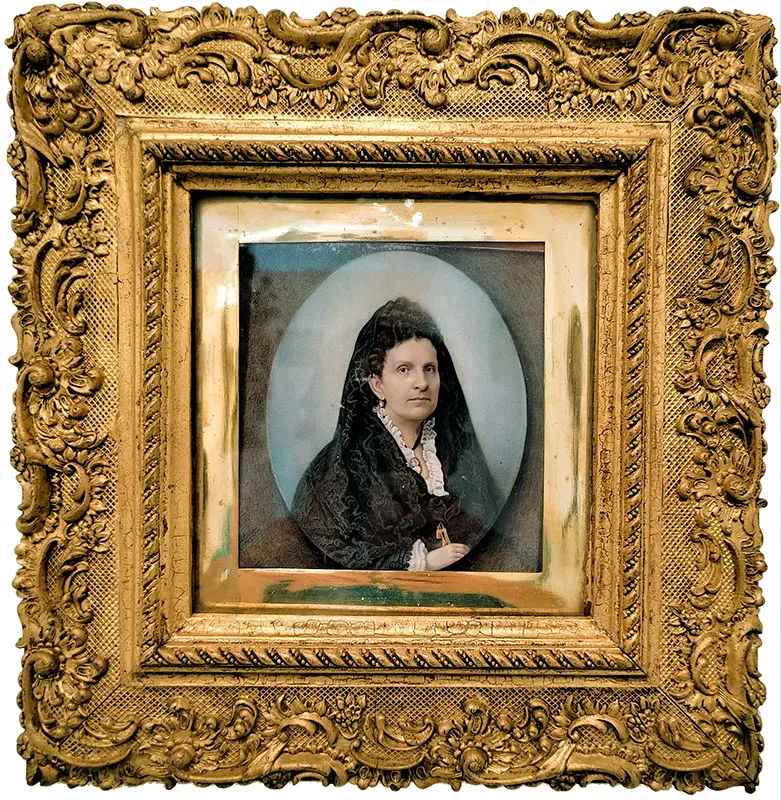
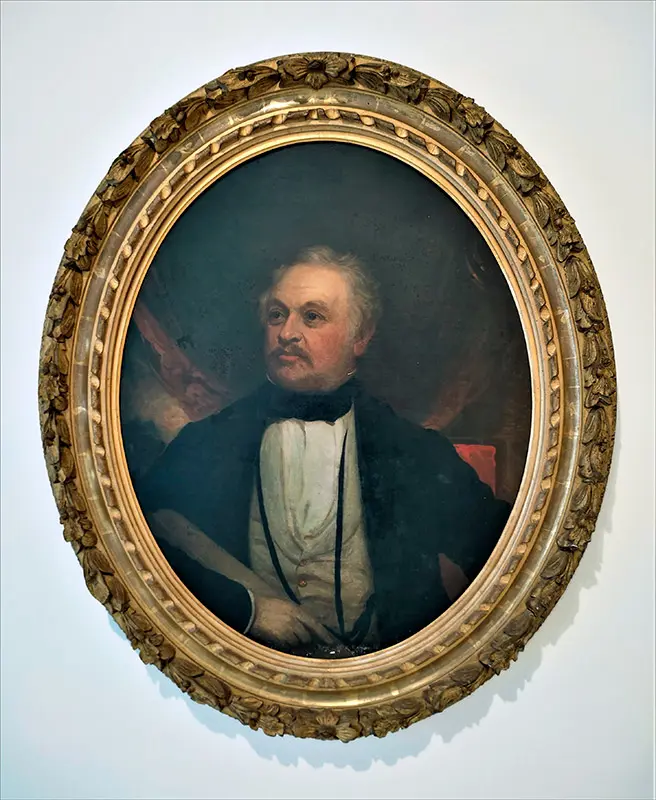
This collection, focused on Venezuelan art of all times, is one of the most important in the country. It presents a selection of approximately 2,500 works that are studied and contextualized in each of the exhibitions that the Mercantil Collection organizes inside and outside the country. On this occasion, some milestones in the history of Venezuelan art from the 18th to the 21st centuries are exhibited. Tahía Rivero and Emilio Narciso, curators, selected those works that serve as a testimony of the transformations that have taken place in the country, both artistically and culturally. This is evident when contemplating the different genres exhibited. The predominant religious theme of the 18th century continued until the beginning of the 19th century, when the portraits of prominent figures of Venezuelan society were of interest to the artists. At that time, illuminated photography, academia, and allegorical painting, among others, were also of interest.
At the end of the 19th century and the beginning of the 20th century, landscape painting became a fundamental theme in Venezuelan art, even becoming a motif of interest in the first two decades of the 21st century. The reference to the place, its consequent urban and stylistic changes through time, the diverse reinterpretations and inventions are appreciated throughout the exhibition. From the drawings of Camille Pissarro to modern visions such as Margot Römer covering the Avila with the Venezuelan flag, the encapsulations of Miguel von Dangel, as well as video art works by Luis Romero and Magdalena Fernández.
On the other hand, the seventies and eighties marked moments of rupture with the geometric abstraction prevailing since the mid-fifties to conceptual languages and minimalism. As a reaction to this, there was a return to pictorial practice and international postmodernism in the eighties and nineties to the electronic and digital media that determine much of the art of the early twenty-first century.
Once again, the Colección Mercantil shows us the fruit of 25 years of consolidation of a collection focused on creating an invaluable heritage of Venezuelan art.
Gallery