ExhibitionJuly 13, 2023
Colombia: The Corn, the River, and the Grave. Museo de las Américas
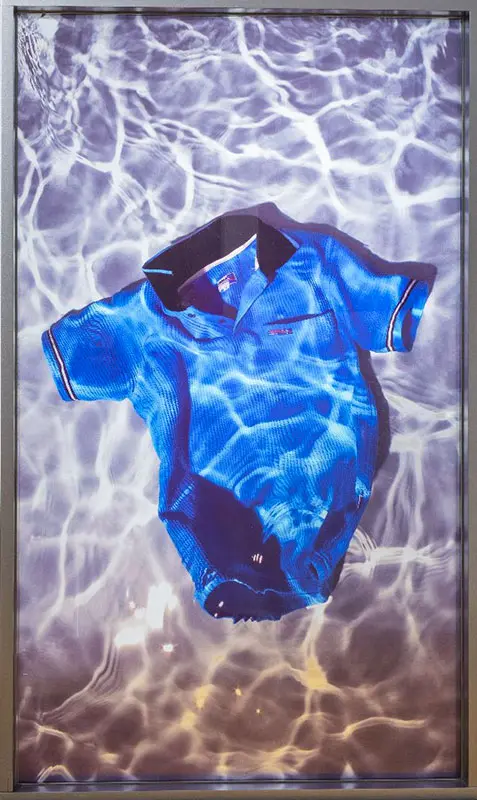
Curated by Alex Brahim, the exhibition emphasizes the interconnectedness of people and nature and the contradictions of that connection. Once characterized by unscathed land that was sacred and home to ancestral traditions, Colombia has been exploited, its natural resources pillaged due to political greed and violence. Accordingly, the exhibition reveals Colombia as a nation of dualities whose people are suffering and yet are as determined to overcome obstacles as they are hopeful for the future.
The featured artists represent Colombia’s cultural diversity and geographic differences. Inhabiting regions ranging from the mountains to the lowlands and a sliver of rainforest, the artists’ experiences and artistic perspectives are inextricable from the land. These vast realities of Colombia are displayed through contemporary and traditional art mediums such as video, installation, painting, and photography. In this way, the exhibition is as much about Colombia’s past as it is about its present and future. “The Corn, The River, and The Grave” is not just relevant to Colombian history, though, since many of its stories resemble Colorado’s history. As the curator Brahim notes, this exhibition shares “subtle, yet relevant points of contact with the history of Colorado, a state with 5,564 natural streams from which 147 are rivers, and a history marked by gold mining on the ancestral territories of myriad tribes such as the Ute, Cheyenne, Arapaho, Apache, Shoshone, Comanche, Kiowa, and Diné.”
The exhibition presents 13 international artists and two artist collectives: Antonio Caro, Colectivo Antónima, Jorge Vaca Forero, Santiago Vélez, Wilmer Useche, Carlos Uribe, Erika Diettes, Nadia Granados, Sebastián Sánchez, Yosman Botero, Carmenza Estrada, Fernando Arias, Samir Quintero, Victór Muñóz, 5ta con 5ta Crew.
“Colombia: The Corn, the River, and the Grave” continues through August 20 at Museo de las Americas, museo.org/
The featured artists represent Colombia’s cultural diversity and geographic differences. Inhabiting regions ranging from the mountains to the lowlands and a sliver of rainforest, the artists’ experiences and artistic perspectives are inextricable from the land. These vast realities of Colombia are displayed through contemporary and traditional art mediums such as video, installation, painting, and photography. In this way, the exhibition is as much about Colombia’s past as it is about its present and future. “The Corn, The River, and The Grave” is not just relevant to Colombian history, though, since many of its stories resemble Colorado’s history. As the curator Brahim notes, this exhibition shares “subtle, yet relevant points of contact with the history of Colorado, a state with 5,564 natural streams from which 147 are rivers, and a history marked by gold mining on the ancestral territories of myriad tribes such as the Ute, Cheyenne, Arapaho, Apache, Shoshone, Comanche, Kiowa, and Diné.”
The exhibition presents 13 international artists and two artist collectives: Antonio Caro, Colectivo Antónima, Jorge Vaca Forero, Santiago Vélez, Wilmer Useche, Carlos Uribe, Erika Diettes, Nadia Granados, Sebastián Sánchez, Yosman Botero, Carmenza Estrada, Fernando Arias, Samir Quintero, Victór Muñóz, 5ta con 5ta Crew.
“Colombia: The Corn, the River, and the Grave” continues through August 20 at Museo de las Americas, museo.org/