Heard on The StreetAugust 6, 2021
5 Latin American Sites Added to the World Heritage List
On July 27, the World Heritage Committee inscribed 13 cultural sites on UNESCO's World Heritage List. It also approved the extension of an existing site in Mexico. The inscriptions took place during the 44th session of the World Heritage Committee, held online and chaired from Fuzhou (China). The newly inscribed sites are: Dholavira: A Harapean City (India); Jomon Prehistoric Sites (Northern Japan); Schum sites of Speyer, Worms, and Mainz (Germany); Mining Landscape of Roșia Montană (Romania); As-Salt, Place of Tolerance and Urban Hospitality (Jordan); Sudanese-style mosques (Northern Côte d'Ivoire); Nice, a winter resort town on the Riviera (France); Frontiers of the Roman Empire - Lower German Limes (Germany / Netherlands).
The Latin American sites are:
Roberto Burle Marx Site (Brazil): located west of Rio de Janeiro, the project was carried out for more than 40 years by artist and landscape architect Roberto Burle Marx (1909-1994). Burle Marx sought to create a "living work of art" and a "landscape laboratory" by drawing on native vegetation and drawing inspiration from the ideas of the modernist movement.
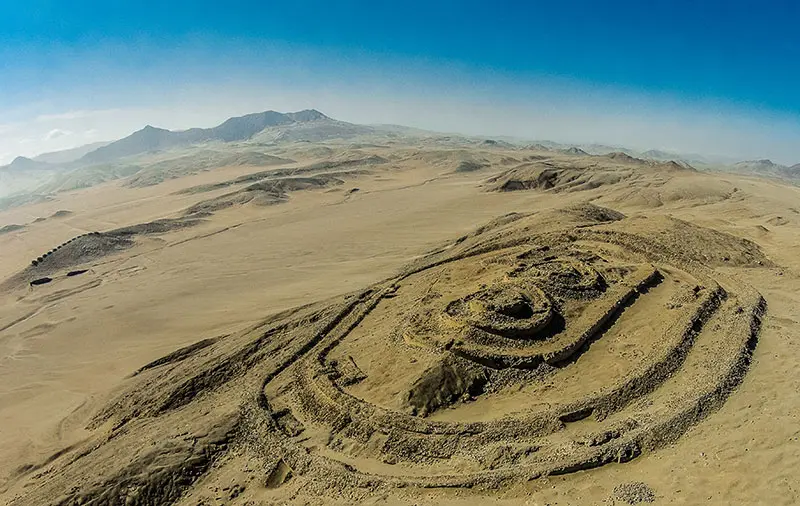
Chankillo archaeoastronomical complex (Peru): Located north of the central coast of Peru, in the Casma Valley, this archaeological site (500-200 B.C.) has a set of constructions built in a desert landscape and a series of natural features that, together, function as a perfect solar calendar, using markers that make it possible to observe the movement of the sun along the horizon throughout the year.
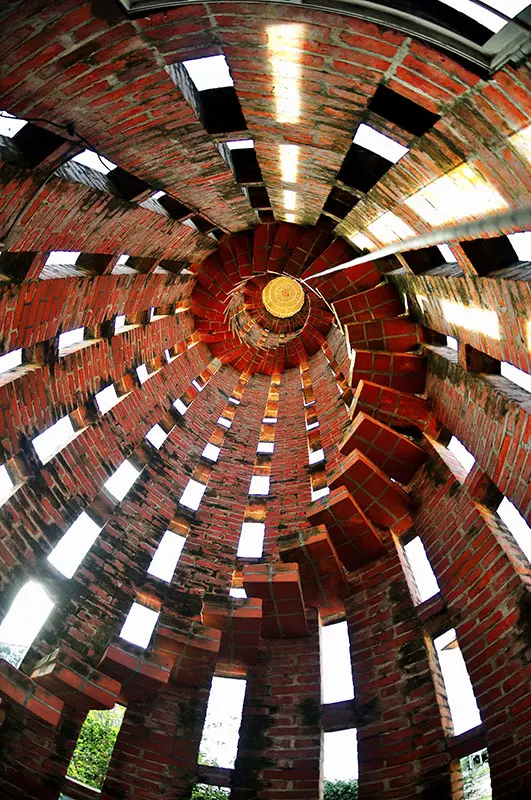
Work of the engineer Eladio Dieste: Atlántida church (Uruguay): The church, with its bell tower and subway baptistery, is in Estación Atlántida, 45 km from Montevideo. Inspired by early Christian and medieval Italian religious architecture, the modernist church complex, inaugurated in 1960, represents a novel use of exposed and reinforced brick.
Settlement and artificial mummification of the Chinchorro culture in the region of Arica and Parinacota (Chile): The site consists of three components: Faldo Norte del Morro de Arica, Colón 10, both in the city of Arica and Desembocadura de Camarones, in a rural setting about 100 km further south. Together, they provide evidence of a marine hunter-gatherer culture that resided on the arid and hostile northern coast of the Atacama Desert in the extreme north of Chile from about 5450 BC to 890 BC. The site presents the oldest known archaeological evidence of artificial mummification of bodies with cemeteries containing both artificially mummified bodies and some preserved due to environmental conditions.
The Franciscan complex of the monastery and cathedral of Nuestra Señora de la Asunción de Tlaxcala [extension of the site "First monasteries of the 16th century on the slopes of Popocatepetl", inscribed in 1994]. (Mexico): It is part of the first construction program initiated in 1524 for the evangelization and colonization of the northern territories of Mexico. The complex is one of the first five monasteries established by Franciscan, Dominican, and Augustinian friars and one of the three still standing. The other two have already been inscribed on the World Heritage List.
The Latin American sites are:
Roberto Burle Marx Site (Brazil): located west of Rio de Janeiro, the project was carried out for more than 40 years by artist and landscape architect Roberto Burle Marx (1909-1994). Burle Marx sought to create a "living work of art" and a "landscape laboratory" by drawing on native vegetation and drawing inspiration from the ideas of the modernist movement.
Chankillo archaeoastronomical complex (Peru): Located north of the central coast of Peru, in the Casma Valley, this archaeological site (500-200 B.C.) has a set of constructions built in a desert landscape and a series of natural features that, together, function as a perfect solar calendar, using markers that make it possible to observe the movement of the sun along the horizon throughout the year.
Work of the engineer Eladio Dieste: Atlántida church (Uruguay): The church, with its bell tower and subway baptistery, is in Estación Atlántida, 45 km from Montevideo. Inspired by early Christian and medieval Italian religious architecture, the modernist church complex, inaugurated in 1960, represents a novel use of exposed and reinforced brick.
Settlement and artificial mummification of the Chinchorro culture in the region of Arica and Parinacota (Chile): The site consists of three components: Faldo Norte del Morro de Arica, Colón 10, both in the city of Arica and Desembocadura de Camarones, in a rural setting about 100 km further south. Together, they provide evidence of a marine hunter-gatherer culture that resided on the arid and hostile northern coast of the Atacama Desert in the extreme north of Chile from about 5450 BC to 890 BC. The site presents the oldest known archaeological evidence of artificial mummification of bodies with cemeteries containing both artificially mummified bodies and some preserved due to environmental conditions.
The Franciscan complex of the monastery and cathedral of Nuestra Señora de la Asunción de Tlaxcala [extension of the site "First monasteries of the 16th century on the slopes of Popocatepetl", inscribed in 1994]. (Mexico): It is part of the first construction program initiated in 1524 for the evangelization and colonization of the northern territories of Mexico. The complex is one of the first five monasteries established by Franciscan, Dominican, and Augustinian friars and one of the three still standing. The other two have already been inscribed on the World Heritage List.
Gallery