ExhibitionFebruary 12, 2024
Cecilia Vicuña: Soñar el agua. Museo de Arte Latinoamericano de Buenos Aires (MALBA)
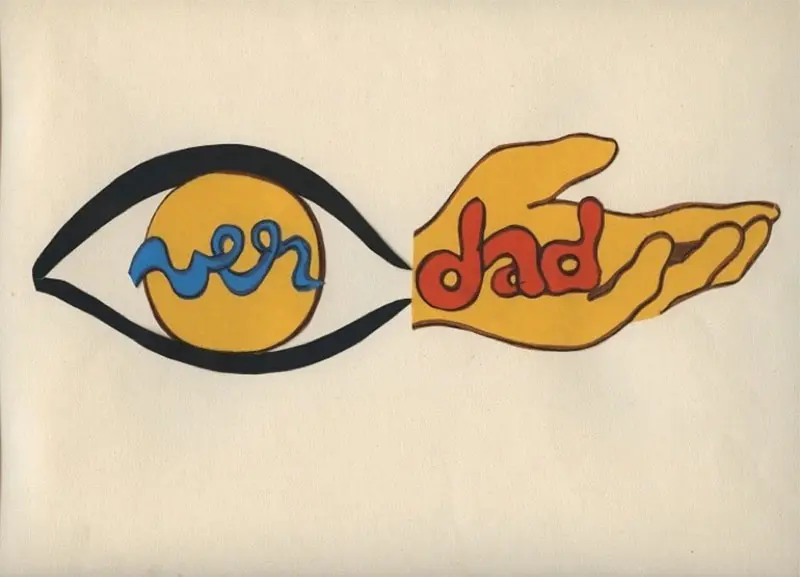
"Soñar el agua, una retrospectiva del futuro (1964-...)" is the most comprehensive exhibition dedicated to date to the poet, visual artist, and feminist activist Cecilia Vicuña (Santiago, Chile, 1948). It reviews sixty years of her production, highlighting her links to Chile, the Andes Mountains, pre-Columbian textile memory, feminist struggles, and eroticism, as well as the demands for self-determination of indigenous communities.
The exhibition combines nearly 200 works, including paintings, drawings, texts, silkscreen prints, collages, textiles, videos, photographs, installations, book objects, documents, and sound performances made in different parts of the Americas and Europe. "Soñar el agua" updates Vicuña's commitment to popular struggles, respect for human rights, and the importance of opposing devastation broadly.
In the words of curator Miguel A. López: "Vicuña's poetics embraces everything and nothing at the same time, contaminates languages, ignores hierarchies and expresses with seismic force”.
The exhibition's name represents an invitation to change our relationship with the earth. "Without humidity there is no humanity," the artist reminds us. Her creations are not only testimonies of the past but, above all, witnesses of an open future, just as this retrospective presents her work as an experience that is not definitive but alive and in process.
In this sense, on the double height above the museum's level -1 hall, the site-specific installation Quipu menstrual (The blood of the glaciers), initially conceived by Vicuña in 2006 as a way of expressing her support for Michelle Bachelet, Chile's first woman president, is presented.
The exhibition was organized in collaboration with the Museo Nacional de Bellas Artes de Santiago de Chile and the Pinacoteca de São Paulo.
Curator: Miguel A. López.
The exhibition combines nearly 200 works, including paintings, drawings, texts, silkscreen prints, collages, textiles, videos, photographs, installations, book objects, documents, and sound performances made in different parts of the Americas and Europe. "Soñar el agua" updates Vicuña's commitment to popular struggles, respect for human rights, and the importance of opposing devastation broadly.
In the words of curator Miguel A. López: "Vicuña's poetics embraces everything and nothing at the same time, contaminates languages, ignores hierarchies and expresses with seismic force”.
The exhibition's name represents an invitation to change our relationship with the earth. "Without humidity there is no humanity," the artist reminds us. Her creations are not only testimonies of the past but, above all, witnesses of an open future, just as this retrospective presents her work as an experience that is not definitive but alive and in process.
In this sense, on the double height above the museum's level -1 hall, the site-specific installation Quipu menstrual (The blood of the glaciers), initially conceived by Vicuña in 2006 as a way of expressing her support for Michelle Bachelet, Chile's first woman president, is presented.
The exhibition was organized in collaboration with the Museo Nacional de Bellas Artes de Santiago de Chile and the Pinacoteca de São Paulo.
Curator: Miguel A. López.