ObituaryAugust 11, 2015
Carlos Caicedo
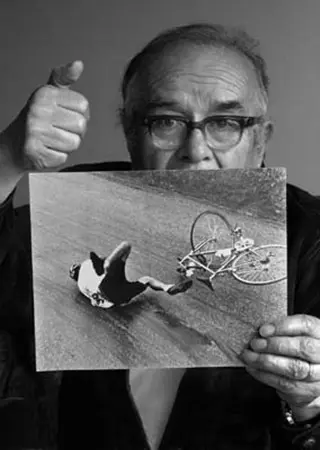
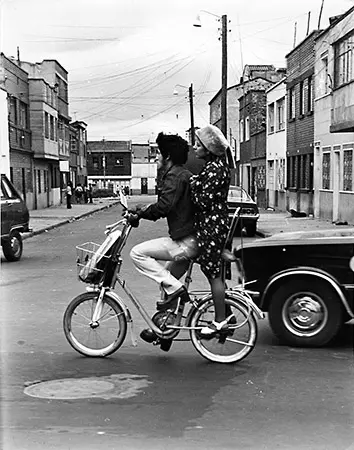
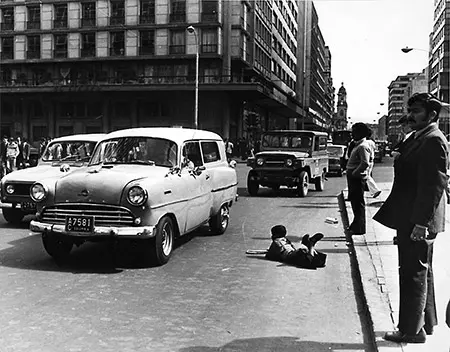
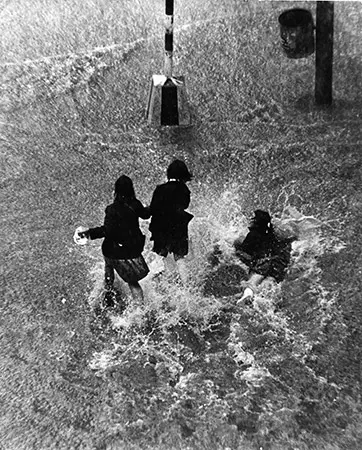
Carlos Caicedo, one of the most important photojournalists of Colombia, died on July 13 in the city of Bogota at the age of 85. Carlos Caicedo was born in Cáqueza, Cundinamarca. Disputes between the liberal and conservative parties in his hometown resulted in his parents moving to Bogotá when he was only six months old. His first exposure to photography occurred when his aunt got him a job during the 1940s as a messenger at Foto Schimmer, a photographic studio in Bogota. There, Caicedo was given a broken Kodak camera as a gift, which he repaired with tape and used to begin taking his first images. Years later he worked as an assistant at the laboratory of Sady González, where he became interested in photojournalism. In 1949, he began his career as a photographer, honing his skills as he worked for newspaper like El Nuevo Siglo, Semanas, Cromos and, in 1953, El Tiempo—on that occasion he worked there for only four months. Then he worked for a year at El Espectador and eventually returned to the newspaper El Tiempo, where he spent 35 years and had the chance to truly blossom and showcase his talent as a photojournalist. During those 35 years he portrayed the political and social events of the mid-twentieth century. He covered the fighting of the left-wing guerrilla, accompanied Germán Castro-Caicedo to cover the story of a group of prisoners who in 1969 escaped from prison in Araracuara, Caquetá. He also captured moments from the Vuelta de Colombia (Tour of Colombia), like the participation in that annual cycling road race of cyclist Efraín Forero, the first to win this sports event. He also covered the work of visual artists like Alejandro Obregon. His most famous photograph—which is not solely emblematic of the history of photography in Colombia, but one that also became known around the world—is the image of Alfonso Romero, an 11 year old child who was poisoned and died in Chiquinquirá along with another 230 people. But Carlos Caicedo's favorite photograph was one that he took of one of his sons, Arturo, in 1952, where the child appears crawling under a ray of light that enters from a window. This photograph earned Caicedo First Place in the artistic category at the Círculo de Reporteros Gráficos competition. His photographs were the result of well thought out choices regarding the right place and moment in time to capture an image. About this approach, Caicedo told Daniel Samper for the catalog of the exhibition at the Museo de Arte Moderno, in 1976 that "Before anything else, a photographer must observe the photo without the camera, like filmmakers do. The camera is just a tool used to perform the choices made by the photographer. Therefore, it is best to observe without the camera, and one should only point and shoot when the right image is found. ArtNexus had the privilege of accessing the photographic archive of Carlos Caicedo and learning about the historical and poetic richness with which this important Colombian photographer portrayed the urban landscape, the countryside, his people, as well as the means of transportation and other manifestations of the modernity that unfolded before in the rainy capital city.
Gallery