Heard on The StreetOctober 29, 2019
Auras anónimas, by Beatriz González Declared Nation's Cultural Heritage by the Ministry of Culture
The plot of land located at 26th Street, between 19th and 19th B avenues, adjacent to Bogotá's Central Cemetery, was recently declared a National Cultural Heritage by Colombia's National Council of Cultural Patrimony (CNPC).
Alberto Escobar, the Ministry of Culture's head of the Heritage Department, stated that this declaration responds to the history of the place and its symbolic meaning. It has been known as the "cemetery of the poor," since the city’s humblest were traditionally buried in its vaults, or columbaria. In order to be consistent with its historically funerary purpose, the official recommendation is to give the place a contemplative use, rather than a recreational one.
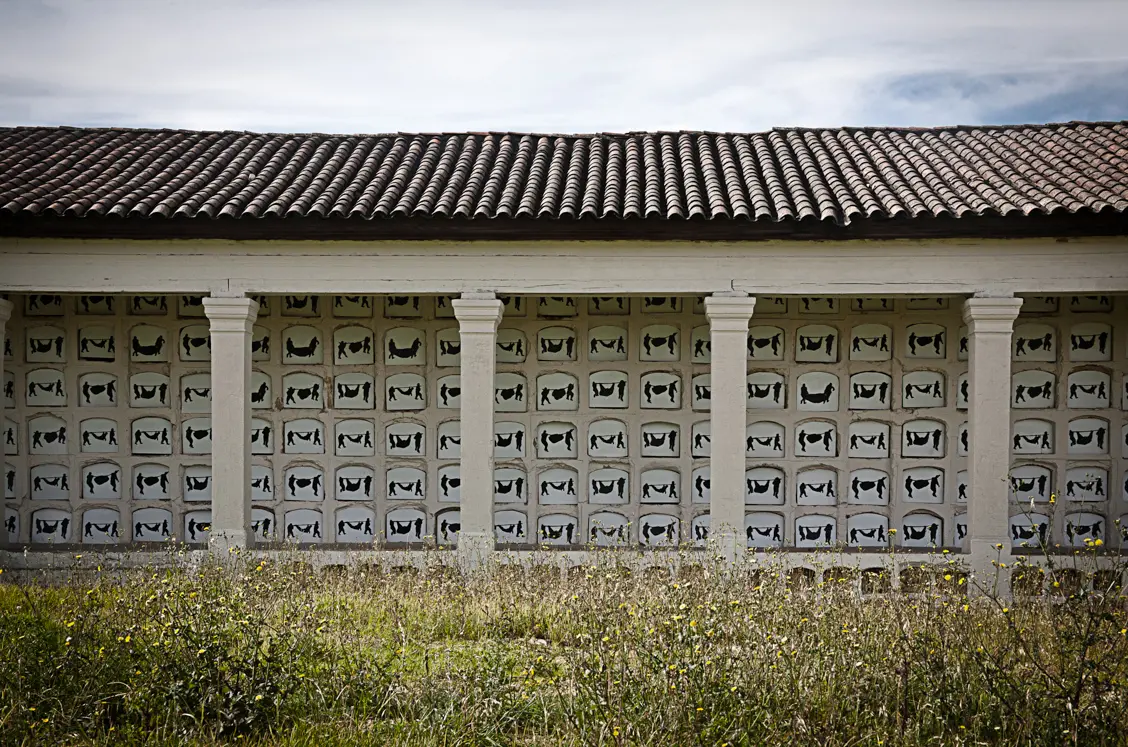
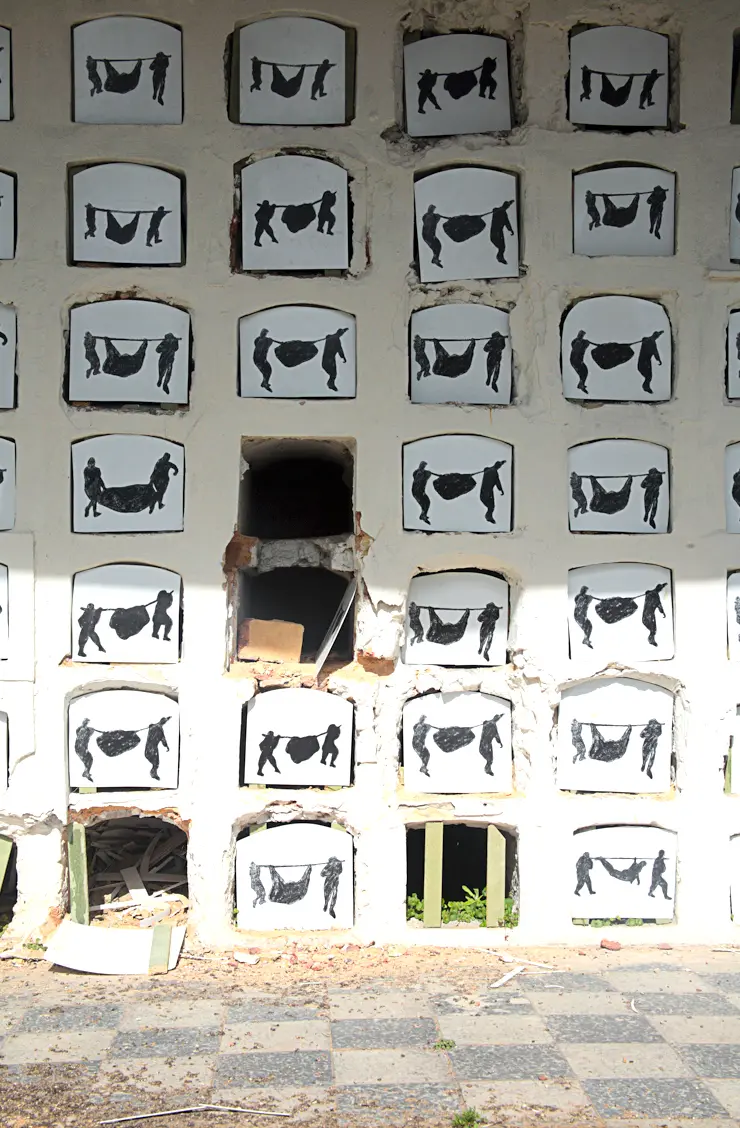
In 2009, following a bidding process of 174 million Colombian pesos, Colombian artist Beatriz González intervened these vaults in order to illustrate and commemorate the tragic events of April 9, 1948: a national day of mourning known as “El Bogotazo.” The resulting artwork, entitled Auras anónimas, consists of silk-screen images of eight silhouettes of freighters reproduced to cover more than 8,000 tombstones. The freighters are carrying corpses of those anonymous victims of the 1948 violent conflict.
The Ministry and the CNPC are asking the Mayor's Office of Bogotá to restore and safekeep this artwork. The remains of the victims of that historic April 9, 1948, are presumed to rest here.
"The idea is to support the city. We believe that both the Central Cemetery and the columbaria deserve more attention, and that their use should be complementary. The nation is open to the recovery of such a project. In the end, the cultural patrimony belongs to all Colombians," Escobar remarked. He added that the Management and Protection Plan for the Central Cemetery is currently being updated to include the columbaria and González’s artwork, which addresses the pain uniting them through the silhouettes of the freighters: symbols of this moment in history.
Alberto Escobar, the Ministry of Culture's head of the Heritage Department, stated that this declaration responds to the history of the place and its symbolic meaning. It has been known as the "cemetery of the poor," since the city’s humblest were traditionally buried in its vaults, or columbaria. In order to be consistent with its historically funerary purpose, the official recommendation is to give the place a contemplative use, rather than a recreational one.
In 2009, following a bidding process of 174 million Colombian pesos, Colombian artist Beatriz González intervened these vaults in order to illustrate and commemorate the tragic events of April 9, 1948: a national day of mourning known as “El Bogotazo.” The resulting artwork, entitled Auras anónimas, consists of silk-screen images of eight silhouettes of freighters reproduced to cover more than 8,000 tombstones. The freighters are carrying corpses of those anonymous victims of the 1948 violent conflict.
The Ministry and the CNPC are asking the Mayor's Office of Bogotá to restore and safekeep this artwork. The remains of the victims of that historic April 9, 1948, are presumed to rest here.
"The idea is to support the city. We believe that both the Central Cemetery and the columbaria deserve more attention, and that their use should be complementary. The nation is open to the recovery of such a project. In the end, the cultural patrimony belongs to all Colombians," Escobar remarked. He added that the Management and Protection Plan for the Central Cemetery is currently being updated to include the columbaria and González’s artwork, which addresses the pain uniting them through the silhouettes of the freighters: symbols of this moment in history.
Gallery