ExhibitionSeptember 20, 2024
31 Women. A Peggy Guggenheim Exhibition. Fundación Mapfre
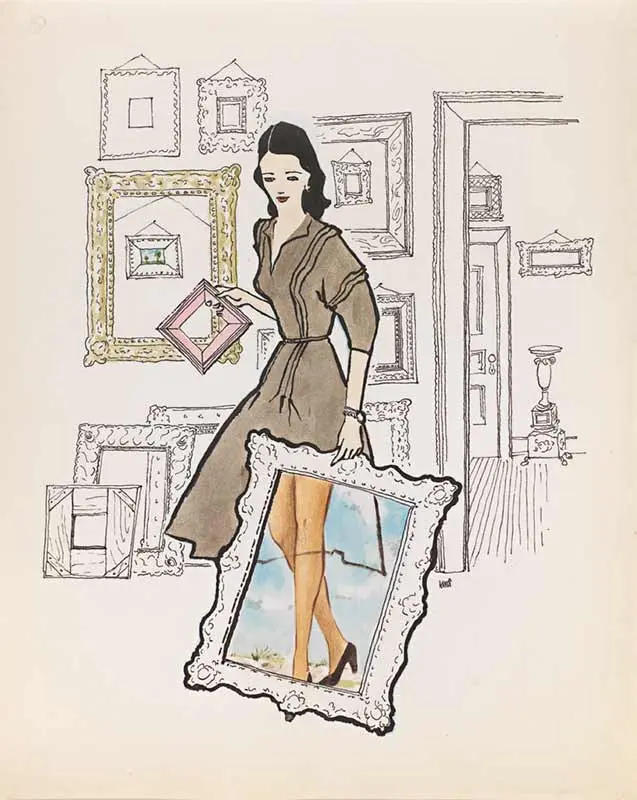
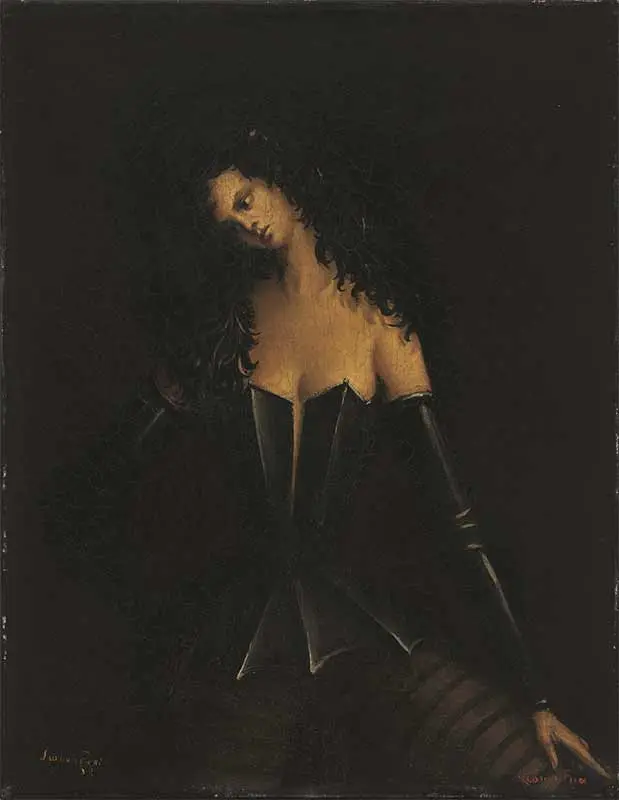
Fundación Mapfre in Madrid presents “31 Women. A Peggy Guggenheim Exhibition,” curated by Patricia Mayayo and on view until January 5, 2025. In 1943, the renowned art collector Peggy Guggenheim organized, in her New York gallery, “Art of This Century.” This was one of the first exhibitions in the United States to exclusively feature works by European and North American women, under the title “Exhibition by 31 Women”. The show was a brainchild of Guggenheim in collaboration with Marcel Duchamp, and the selection of artists was made by a jury that included André Breton, Max Ernst, and Duchamp. Guggenheim, as the only woman on the jury, brought a female perspective to the process.
Most of these women, often associated with surrealism or abstraction, maintained a unique and independent position within these trends. They used these languages not to conform but to reformulate and question them, thereby challenging the patriarchal assumptions on which these movements were based.
“31 Women. A Peggy Guggenheim Exhibition” presents a selection and reinterpretation of that initiative, including all the artists at the historic show. With this exhibition, the Fundación Mapfre aims not only to recall the importance of the work and vision of Peggy Guggenheim, one of the most important patrons and collectors of the 20th century but also to contribute to leaving behind the narrative that has tended to value the contribution of these women based on their relationship with male artists. Instead, the exhibition highlights the networks of collaboration, solidarity, and friendship that these women built among themselves, fostering a sense of connection and mutual support.
To contextualize, the exhibition opens with a room showing a piece of furniture designed by Austrian architect Frederick Kiesler for Art of This Century, as well as period photographs and documents that reflect the attention paid by Guggenheim to the promotion of art made by women. This objective materialized in the Exhibition “31 Women”, as well as in a later exhibition, “The Women” (1945), and inspired a series of solo shows, such as those dedicated to Sonja Sekula, Irene Rice Pereira, and Pegeen Vail.
The second part of the exhibition is divided into four sections that propose an approach to some of the central thematic axes and strategies explored by the creators gathered in “31 Women” to assert their independence and avoid the clichés associated with the label “woman artist” in the art world of that period. Aware of the difficulties they faced as women, these artists often went against the grain of the dominant art languages of their time: they re-read in their way the contributions of Surrealism and Abstract Expressionism to highlight the patriarchal assumptions on which these movements were based.
Most of these women, often associated with surrealism or abstraction, maintained a unique and independent position within these trends. They used these languages not to conform but to reformulate and question them, thereby challenging the patriarchal assumptions on which these movements were based.
“31 Women. A Peggy Guggenheim Exhibition” presents a selection and reinterpretation of that initiative, including all the artists at the historic show. With this exhibition, the Fundación Mapfre aims not only to recall the importance of the work and vision of Peggy Guggenheim, one of the most important patrons and collectors of the 20th century but also to contribute to leaving behind the narrative that has tended to value the contribution of these women based on their relationship with male artists. Instead, the exhibition highlights the networks of collaboration, solidarity, and friendship that these women built among themselves, fostering a sense of connection and mutual support.
To contextualize, the exhibition opens with a room showing a piece of furniture designed by Austrian architect Frederick Kiesler for Art of This Century, as well as period photographs and documents that reflect the attention paid by Guggenheim to the promotion of art made by women. This objective materialized in the Exhibition “31 Women”, as well as in a later exhibition, “The Women” (1945), and inspired a series of solo shows, such as those dedicated to Sonja Sekula, Irene Rice Pereira, and Pegeen Vail.
The second part of the exhibition is divided into four sections that propose an approach to some of the central thematic axes and strategies explored by the creators gathered in “31 Women” to assert their independence and avoid the clichés associated with the label “woman artist” in the art world of that period. Aware of the difficulties they faced as women, these artists often went against the grain of the dominant art languages of their time: they re-read in their way the contributions of Surrealism and Abstract Expressionism to highlight the patriarchal assumptions on which these movements were based.
Gallery